
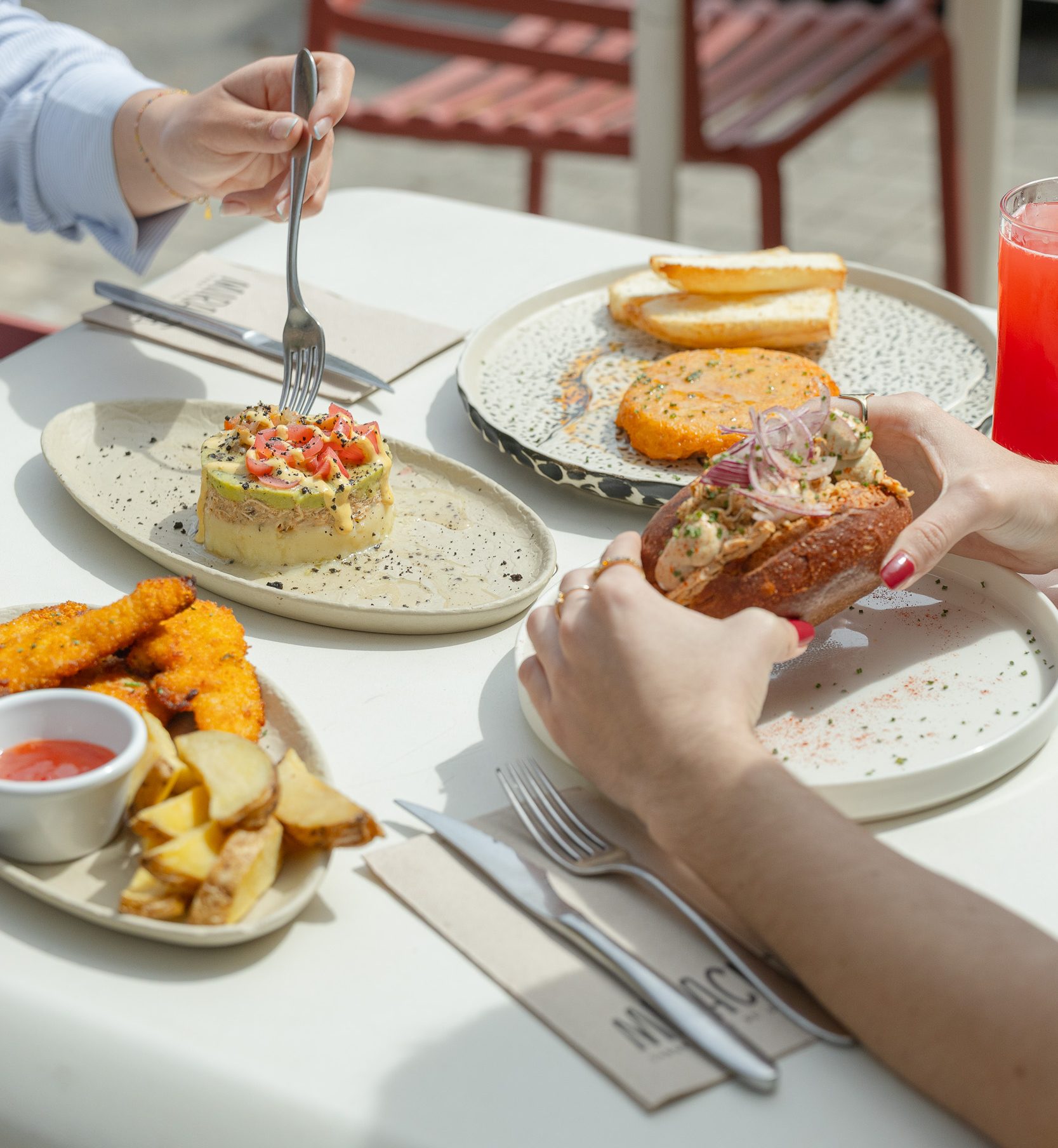
May has become a key moment for discussing coeliac disease. Beyond a specific date, it is a month in which The focus is on coeliac disease, on how it is diagnosed, how it is lived with and what it implies to live with coeliac disease on a daily basis.
The call Coeliac Awareness Month It is a way of continuing the need to better understand what it means to live gluten-free and how everything surrounding this condition has evolved.
One month to showcase coeliac disease beyond diagnosis
Celiac Disease Month arises as an initiative by patient associations and health bodies to raise awareness of a condition that, while increasingly recognised, remains underdiagnosed in many cases.
It is estimated that Around 1% and 2% of the Spanish population have coeliac disease, but an important part of them still do not know. This makes raising awareness especially important, not only for those who already have a diagnosis, but also for those who have not yet been identified.
This month's aim is not just to inform, but also to normalise.
How we got to today's gluten-free diet
The history of coeliac disease is much longer than it appears. It is not a recent concept, but the result of centuries of observation and medical advancement.
Even in Antiquity, the Greek physician Aretaeus of Cappadocia described digestive symptoms that would today fit with coeliac disease, although without knowing its origin.
Much later, in the 19th century, Samuel Gee was who defined the disease clinically for the first time, marking a starting point in its modern study.
The big change comes in the 20th century, when Willem Karel Dicke Observe that the absence of bread during the Second World War improves symptoms in affected children, allowing the disease to be linked to gluten for the first time.
From there, research advances rapidly, gluten is identified as the trigger, diagnostic tests are developed, and the gluten-free diet is established as the only effective treatment.
Living gluten-free today: more options, but also more complexity
Nowadays, coeliac disease is much more present in public conversation. There are more products, clearer labelling, and more information than there were a few years ago.
At the European level, legislation stipulates that a product can be labelled “gluten-free” if it contains less than 20 ppm, which has represented significant progress in food safety and standardisation.
However, living with coeliac disease still involves certain daily challenges that are not always visible:
- The need to control cross-contamination
- Reading labels constantly
- The differences between restaurants that cater for coeliacs and 100% gluten-free venues
- And the importance of having reliable information
That is to say, although the context has improved a lot, the experience still largely depends on how it is understood and managed in each environment.
Miracle and a gluten-free diet
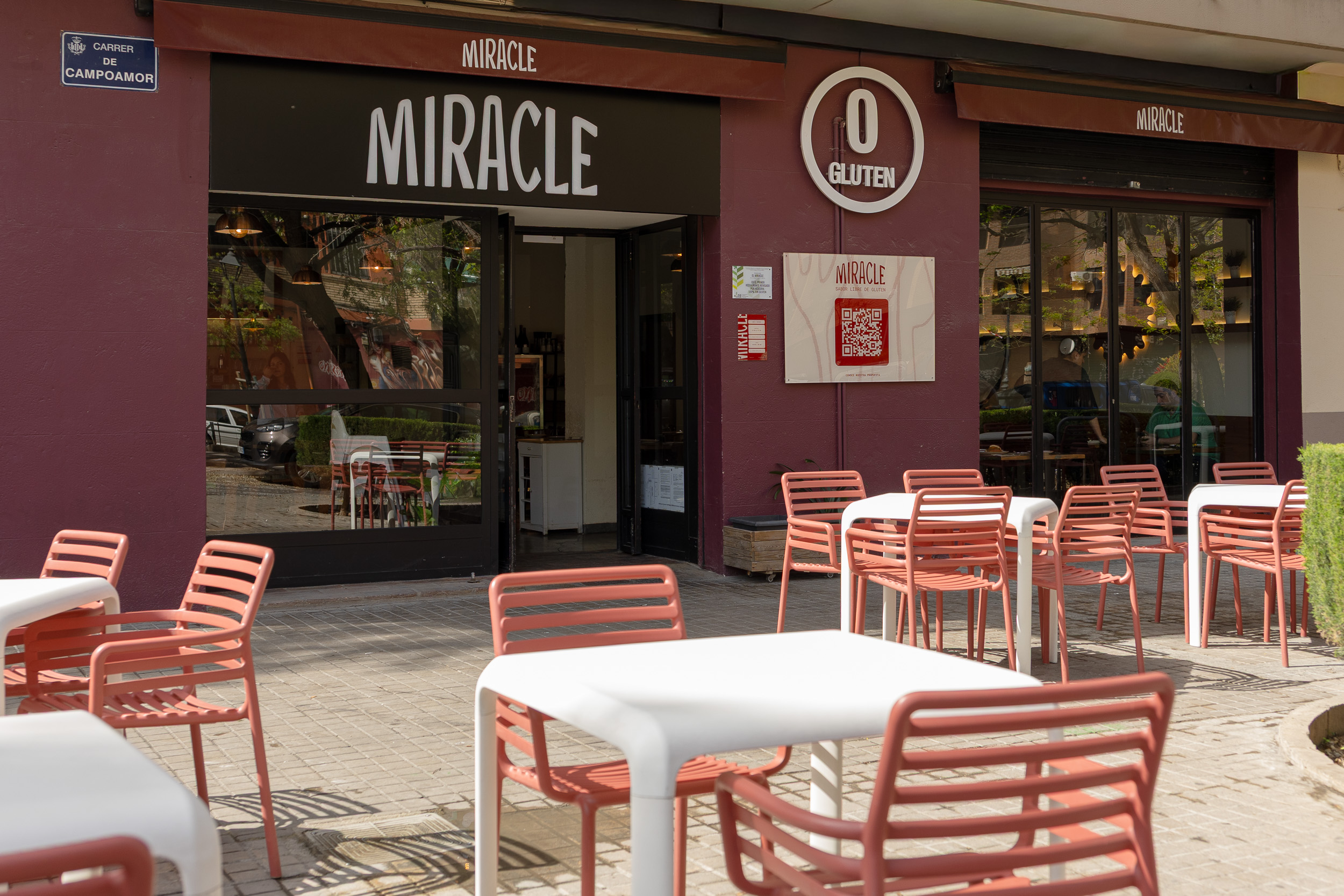
At Miracle, we work every day to offer a 100% gluten-free dining experience in Valencia, where anyone can enjoy food without worrying about adaptations or cross-contamination.
For us, the gluten-free diet It's the foundation from which everything is built so that there's no need to be asking, checking, or adjusting on the fly.
We are especially keen for the experience to be calm, for dining out not to involve any doubts, and for anyone to be able to sit at the table with the same ease.
